
Supporting the
environmental
transition
Discover the Better Places Certification - a transparent rating of the sustainability of all our centres
The Better Places Certification
Continuously improving sustainability at our destinations
 WasteOur destinations implement waste-sorting and recycling programmes and work to continuously reduce the volume of waste they produce. Visitors and tenants are encouraged to sort and recycle their own waste, and we strive to send no waste to the landfill by the end of 2025, and reach 70% of recycling rate by 2030.
 Sustainable RetailWe support the sustainable evolution of our retailers’ offer via the Sustainable Retail Index. This index provides insights into the progress of performance and the commitments of retailers in their sustainable transition efforts. Through initiatives such as the Westfield Good Festival, we promote more sustainable experiences and support circular consumption. Learn more about the SRI!
 Existing CertificationsMany of our destinations already have existing certifications that rate the performance of their buildings and activities, such as BREEAM-in-Use, Energy Performance Certificates and health & safety scores.
 WaterThe amount of water each shopping centre uses is carefully monitored to find ways for continuous improvement. All centres are given targets to reduce their water usage and tasked to find alternative sources, such as collecting rainwater for nourishing plants or flushing toilets.
 BiodiversityWe take action to protect and support biodiversity in our assets by setting up a biodiversity action plan, using eco-labelled cleaning, maintenance and phytosanitary-free gardening products, as well as increasing biodiversity-friendly areas on site.
 Health, Safety & ComfortAs part of the Better Places Certification, the air quality of each of our centres is tested and analysed. Air quality in indoor areas is monitored to ensure it complies with all health and safety standards.
 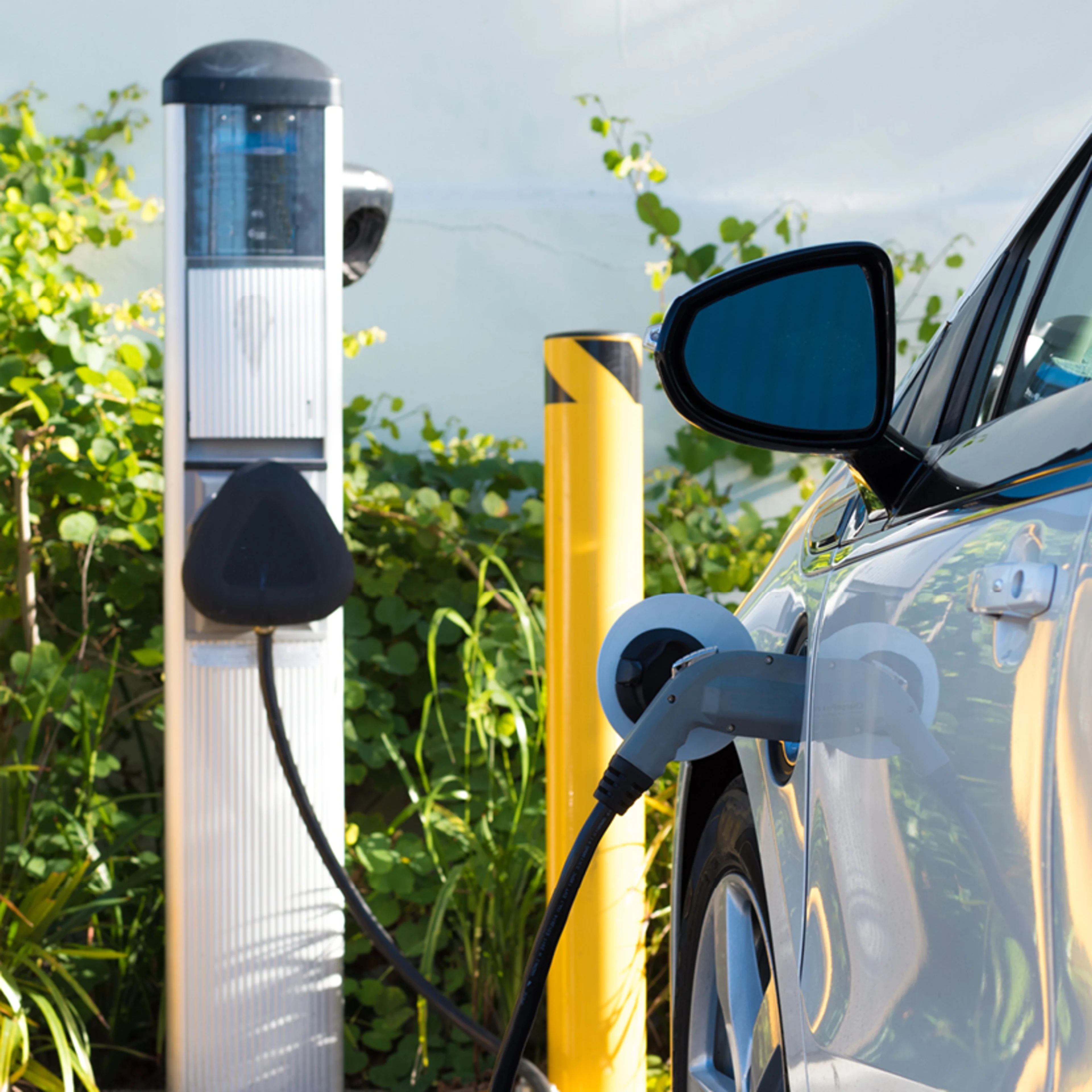 MobilityThe transportation used by our visitors is a major contributor to our greenhouse gas emissions, so we are implementing solutions to encourage the use of more sustainable mobility. These include the expansion of bike parking, increased access to public transportation, electric vehicle charging points and more.
 Energy & ClimateThe energy consumption of each shopping centre is assessed. Centres are tasked with continuously reducing their energy intensity and assessing the likely impacts of climate change on their assets and activities.
 Communities & Local SupportOur shopping centres are local hubs, bolstering economic and social vitality, and delivering jobs and skills, social inclusion and health programmes to serve local communities. Each destination is scored on the work it does to support its local community and strives to create a positive impact, from creating jobs to promoting charitable causes, fostering social inclusion and providing access to those living with disabilities.
Ranked and rated
Using this data, all our European shopping centres will be rated from A to E. Each centre will also develop a local action plan to continuously improve its score. We are on track to rate all our European and UK shopping centres by the end of 2027. Rating methodology and indicators have been developed with internationally recognised experts Bureau Veritas and WWF France (1).
Westfield commits for the environmental transition
We are committed to improve the carbon footprint and environmental efficiency of our assets and operations. We contribute to global carbon neutrality, with a clear priority towards reduction of our greenhouse gas emissions, and we operate an efficient and resilient portfolio that minimises negative impact on resources and the environment.
Energy use50% reduction in energy intensity of shopping centres by 2030 (2). Emissions90% greenhouse gas emission reduction on Scopes 1 & 2 by 2030. 50% greenhouse gas emission reduction on Scopes 1, 2 & 3 by 2030.
 Water conservationReduce water consumption intensity by 20% per footfall by 2030 (2).RecyclingZero waste to landfill by the end of 2025. Recycle 70% of our waste by 2030.
Westfield Arkadia Our Better Places Certification and performance
Thanks to our Better Places Certification, we can assess the potential for improvement at our centre.
Your Westfield team is working continuously to enhance this grade over time.
Our shopping centre's commitments
BREEAM In-Use certification with Outstanding results (in Asset Performance) and Excellent results (in Management Performance), confirming the building’s exceptional friendliness toward users and the environment (5).
Future goals
To maintain the highest possible performance parameters of our building with regard to its impact on the environment and our local community.
We use 100% green energy in the common areas of our center.
We operate an intelligent building management system that provides continuous monitoring of ventilation, heating, air conditioning, lighting, and water consumption, allowing us to optimize the use of resources.
In summer, when outdoor temperatures allow, we cool the building at night using natural ventilation, saving energy that would otherwise be required for mechanical ventilation and air conditioning during the day.
We use energy-efficient LED lighting, and photovoltaic panels installed on our roof can generate up to 40,000 kWh of energy per year.
Future goals
By 2028, 35% of the energy consumed by the center will be generated by our photovoltaic panels.
By 2030, we aim to reduce energy consumption by 50% compared to the 2015 baseline.
On our roof, there is a drainage and water-retention mat that absorbs rainwater, allowing the vegetation growing there to thrive without the need for irrigation, even during dry periods.
Moreover, the roof helps limit particulate pollution, supplies oxygen, and reduces the so-called urban heat island effect by locally lowering the ambient temperature.
Future goals
To reduce water consumption by 20% relative to the number of visitors by 2030.
We are assessing the possibility of using rainwater and greywater in the future for toilet flushing and plant irrigation within our center.
Greenery covers nearly 27,000 square meters of the Westfield Arkadia site, including our roof and the surrounding outdoor areas.
The center is home to an apiary as well as nesting boxes for small urban birds, such as starlings and sparrows.
Goals for the future
Reducing the urban heat island effect.
Striving to increase biodiversity in the immediate surroundings.
Strengthening the continuity of Warsaw’s ecological corridor.
Depending on the waste fraction, 37% of our waste is recycled, composted, or used to generate new energy.
Each year, we recycle 584 tons of waste, including, among others: 496 tons of cardboard, 19 tons of plastic, 12 tons of glass, and 56 tons of mixed waste.
Future goals
By 2030, we plan to reduce total waste by 15%, with 70% of all waste being recycled.
54% of our customers arrive by public transport.
The center is equipped with 18 electric vehicle charging points and three bicycle parking areas—two outdoor ones (including one covered) and an underground parking facility—which together can accommodate 263 bicycles.
The center also offers three bicycle repair stations and a city bike station.
Future goals
Increase the number of electric vehicle charging points to 42 by 2030 (including 12 fast chargers).
Every year, we undergo a Health, Safety, and Environment (HSE) audit, confirming compliance with the highest standards for the safety of both employees and visitors.
Future goals
Maintain the highest standards of safety and comfort for both visitors and employees.
53% of the stores operating at Westfield Arkadia have been classified as “Active,” “Advanced,” or “Leaders” according to the SRI index (6). So far, we have analyzed tenants in the fashion, sports, jewelry, and accessories categories. By the end of 2027, we plan to assess all of our brands.
Future goals
Achieve an even higher SRI score, supported by tenants and their sustainability initiatives. Offer customers an even more sustainable product selection.
You can learn more about the SRI index here.
Thanks to the operations of Westfield Arkadia, nearly 4,500 jobs have been created—both directly and indirectly.
On a daily basis, we work closely with numerous foundations, educational institutions, and district authorities. We organize and support initiatives that have a positive impact on the well-being and development of the local community.
Each year, we host the Westfield Good Festival, during which we inspire our customers to live more sustainably in their everyday lives. In 2024, the festival was attended by over 3,000 people.
More than 400 people each year benefit from our local community support program (Community Resilience Action Plan).
Goals for the future
In the coming years, we will continue our efforts, focusing on sustainable development and socially responsible initiatives at the heart of the customer journey.