

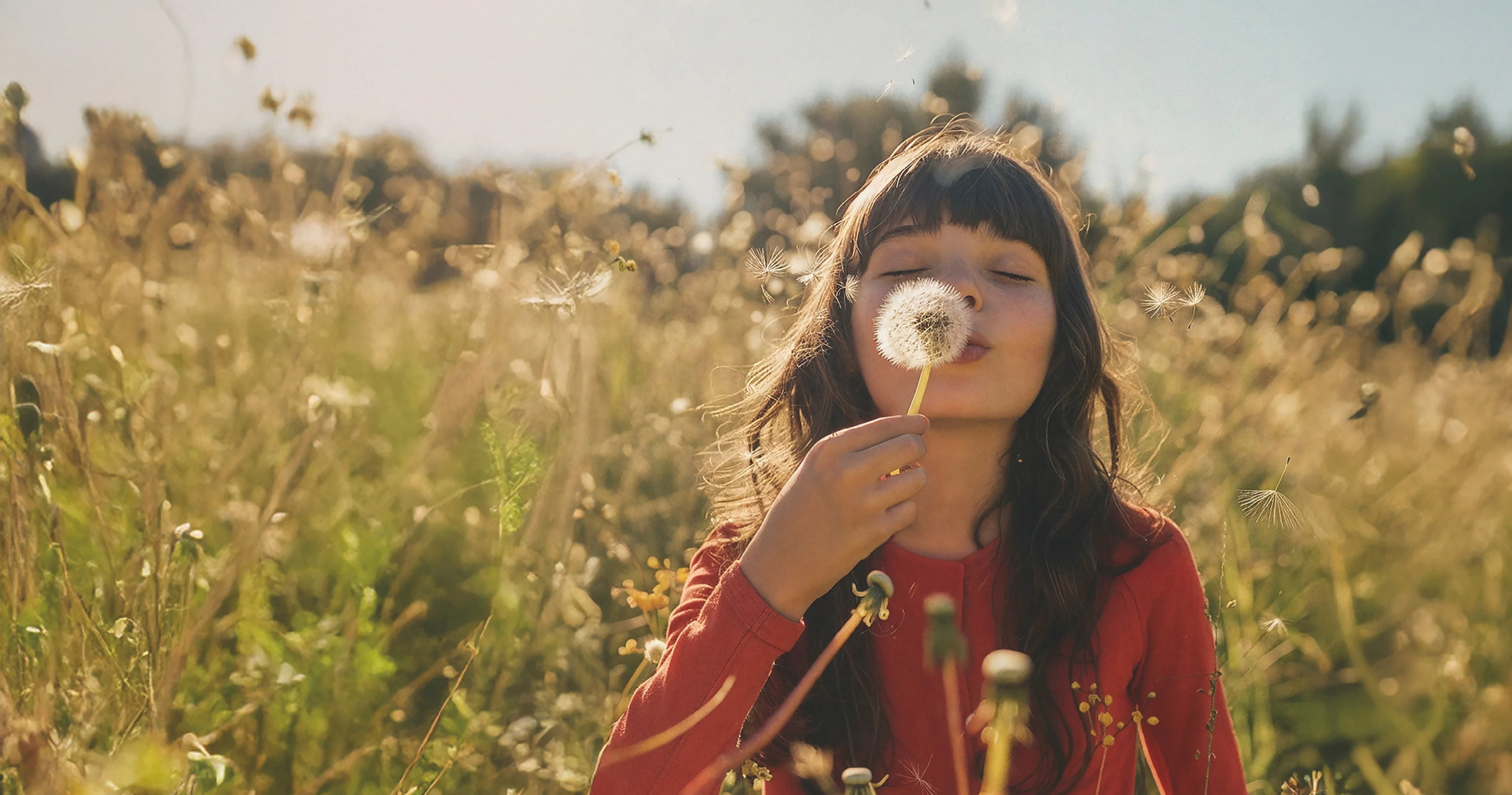
Supporting the environmental transition
Discover the Better Places Strategy
The Better Places Strategy
Continuously improving sustainability at our destinations
 WasteOur destinations implement waste-sorting and recycling programmes and work to continuously reduce the volume of waste they produce. Visitors and tenants are encouraged to sort and recycle their own waste, and we strive to send no waste to the landfill by the end of 2025.
 Sustainable RetailWe support the increasingly sustainable evolution of our retailers’ offer via the Sustainable Retail Index. This index provides insights into the progress of performance and the commitments of retailers in their sustainable transition efforts. Through initiatives such as the Westfield Good Festival, we promote more sustainable experiences and support circular consumption. Learn more about the SRI!
 Certifications As part of the Better Places Strategy, the air quality of each of our centres is tested and analysed. Air quality in indoor areas is monitored to ensure it complies with all health and safety standards.
 WaterThe amount of water each shopping centre uses is carefully monitored to find ways for continuous improvement. All centres are given targets to reduce their water usage and tasked to find alternative sources, such as collecting surface water or rainwater for nourishing plants or flushing toilets.
 BiodiversityOur assets can affect local biodiversity, so we take ongoing measures such as setting up a biodiversity action plan in the centres and using eco-labelled and phytosanitary-free cleaning, maintenance and gardening products to reduce this impact. Centres are rated on the actions they are taking to protect and support biodiversity and on their plans to increase biodiversity-friendly areas on their site.
 Health, Safety & ComfortAs part of the Better Places Certification, the air quality of each of our centres is tested and analysed. Air quality in indoor areas is monitored to ensure it complies with all health and safety standards.
 MobilityThe transportation used by our visitors is a major contributor to our greenhouse gas emissions, so we are implementing solutions to encourage the use of more sustainable mobility. These include the expansion of bike parking, increased access to public transportation, electric vehicle charging points and more.
 Energy & ClimateThe existing energy consumption of each shopping centre is also assessed. In addition, centres are tasked with continuously reducing their energy intensity and assessing the likely impacts of climate change on their assets and activities.
 Communities & Local SupportOur shopping centres are local hubs, bolstering economic and social vitality, and delivering jobs and skills, social inclusion and health programmes to serve local communities. Each destination strives to create a positive impact, from creating jobs to promoting charitable causes, fostering social inclusion and providing access to those living with disabilities.
Westfield commits for the environnemental transition
We are committed to accelerating urban regeneration, while encouraging our retail partners to embrace the circular economy and make progress in their own environmental journeys. We are convinced the Better Places Certification will set a new environmental standard for our industry.
Energy use50% reduction in energy intensity of European shopping centres by 2030 (2). Emissions90% greenhouse gas reduction in Scopes 1 & 2 by 2030.
 Water conservationReduce water consumption intensity by 20% per footfall by 2030 (3).Recycling RateZero waste to landfill by the end of 2025 Recycle 70% of our waste by 2030
Our shopping centre's commitments
Current initiatives:
We scored a B-grade (Highly Efficient) on our Energy Performance Certificate(4).
Future initiatives:
We aim to improve our Energy Performance Certificate to A (Very Efficient).
CURRENT INITIATIVES
We make sure that our appliances are switched off when the shopping centre closes. 100% of the electricity purchased for general use comes from renewable energy sources, and 1,023 MWh of electricity is generated annually by on-site solar panels - equivalent to the annual consumption of around 250 households.
FUTURE INITIATIVES
We are pursuing the goal of reducing our energy consumption by 50 % by 2030 and are focussing on the increased use of renewable energy sources such as solar power.
We collect rainwater for watering plants and flushing toilets. The rainwater collected is equivalent to around 6,080 showers used.
We have 4 beehives on our roof, which help to promote biodiversity. Our outdoor gardens also support biodiversity and we only use organic gardening and cleaning products.
Current initiatives:
We methanise 370 tonnes of organic waste. 57% of waste is recycled or methanised. We sort and recycle 176 tonnes of plastic, 658 tonnes of cardboard, 109 tonnes of glass and 25 tonnes of metal every year, which equates to around 11.7 million water bottles, 3.3 million egg cartons, 545,000 glass bottles and 1.7 million cans.
Future initiatives:
Our goal is to increase the recycling rate of our waste to 70% by 2030 and reduce waste production by 15% by 2030. To achieve this, we are focusing on the complete methanisation of our organic waste, which is already being fully implemented today. In addition, we are continuously working on developing further measures to reduce and recycle waste in order to reduce our ecological footprint in the long term.
Current initiatives:
We currently offer more than 100 bicycle parking spaces and will provide 62 charging stations for electric vehicles by the end of the year to promote sustainable mobility.
50% of our roof surfaces are already greened or fitted with reflective materials to reduce heat loss.
62% of Westfield Donau Zentrum's eligible retailers have been rated "Active", "Advanced" or "Leader" on our Sustainable Retail Index7, based on retail revenues. So far, fashion apparel, sport apparel, jewellery, bags & footwear & accessories retailers have been assessed. We are planning to assess the rest of the eligible retailers by 2027.
To promote sustainable development, we work with local partners such as Hope for the Future and Wien Work to increase the number of jobs available. We also organise events to raise our visitors' awareness of sustainable practices. Our existing collaborations with organisations such as Caritas, Fonds Soziales Wien and UNICEF help us to assume social responsibility in the community.
(1) WWF France shared its expertise and critical perspective on the biodiversity, water, mobility, energy climate and sustainable consumption criteria.
(2) In kWh/sqm of the energy consumed to power common areas, against our 2015 baseline.
(3) In litres per visit, against our 2019 baseline.
(4) A ranking of energy efficiency covering the amount of power used by a property for heating, cooling, lighting and hot water. The scale runs from A to G.
(5) Electricity produced by renewable energy such as wind, solar and hydroelectric power.
(6) Shower of 8 minutes.
(7) The SRI is a comprehensive assessment tool providing insight into the progress of retailers in their sustainable transition: Leader: retailers consistently outperforming peers, setting industry standards. Advanced: retailers above average, actively contributing to the industry’s transition. Active: retailers meeting or slightly exceeding expectations, committed to improvement. Starter: retailers showing promise as new entrants, relative growth. Inactive: retailers falling short of standards, no commitment to improvement.